AI Advisory vs. Reality: A Technical Blueprint for Turning Proof-of-Concepts into Real Revenue

15 May, 2024
2.4k View
From Proof-of-Concept to Production-Ready AI Systems
Walk into any corporate boardroom today and you will hear the exact same buzzwords: operational efficiency, automation, and digital transformation. High-level AI advisory firms love to paint a beautiful, abstract picture of the future. They deliver glossy slide decks filled with theoretical frameworks, promising that artificial intelligence will magically revolutionize your entire enterprise overnight.
Motivated by this flawless vision, your internal team quickly builds a basic proof-of-concept (PoC) or a simple software prototype. It passes a few manual tests, looks incredibly impressive in a controlled presentation, and everyone celebrates the milestone. Then comes the cold reality check.
The moment you try to push that experimental prototype into a live environment with real clients, the system completely stalls. It cannot handle live, messy data streams, it introduces massive security gaps, and it fails to integrate with your core software systems. Instead of generating a single dollar of recurring revenue, your experimental project becomes an expensive technical burden.
“
“Good architecture is like a good conversation. It anticipates questions and provides answers before they are even asked in production.”
David Park
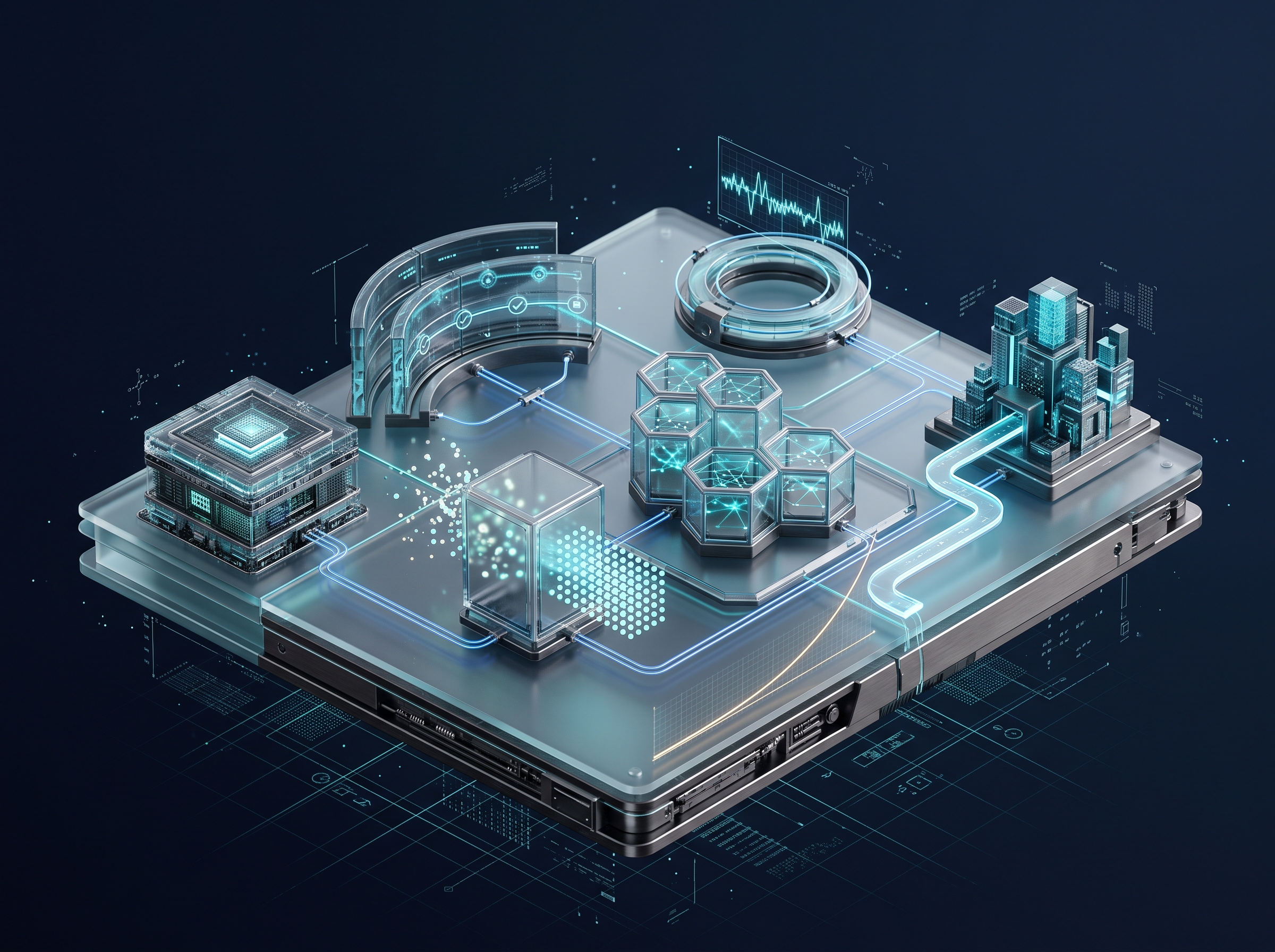

Principles of Effective Tech Deployment
At Algoritx we look past the generic advisory fluff. As an intelligent systems engineering company, we focus on realistic digital transformation & AI strategy consulting. We know that a great idea means nothing if your infrastructure cannot support it.
Use an architecture-first approach. Bake intelligence directly into core system layers instead of bolting it on later.
Avoid experimental shortcuts. Build deep exception handling and production-grade standards from day one.
Keep data pipelines automated. Ensure live input data is cleaned and validated before it hits your models.
Use dedicated AI engineering teams. Deploy senior-led, specialized teams who understand full-stack capability.
Include robust MLOps tracking. Set up continuous system monitoring to watch for model drift and performance lag.
Provide direct 'proof-to-production' paths. Plan out clear integration roadmaps with existing core enterprise software.
Documentation Impact
Our proof-of-concept to production planning projects typically lead to a massive reduction in basic support queries and cloud resource waste. This allows internal enterprise development teams to shift away from firefighting live system errors and focus completely on launching new, high-value user features.
#DigitalTransformation
#AIStrategy
#EnterpriseSoftware
Search Here
Category
AI Automation
(9)
Agentic AI
(15)
AI Strategy
(12)
Platform Engineering
(18)
Data Engineering
(15)
Cloud Engineering
(14)
Architecture
(16)
Engineering
(20)